
In the evolving landscape of molecular biology and nucleic acid analysis, ensuring consistency and reproducibility in amplification workflows is essential. The Adenovirus 40 PCR Qualitative Quality Control is specifically developed to support laboratories in validating PCR assay performance, ensuring that amplification systems operate efficiently and consistently across experiments.
This comprehensive, SEO-optimized article explores the scientific background, workflow integration, and advantages of using Adenovirus 40 PCR qualitative controls, while incorporating extensive authoritative references from leading .edu and .gov institutions to enhance credibility and search visibility.

Scientific Background of Adenovirus 40
Adenoviruses are double-stranded DNA viruses widely used in molecular biology as model systems for viral detection and assay development. Among them, Adenovirus type 40 (Ad40) is frequently studied in gastrointestinal virology and environmental monitoring workflows.
Extensive genomic and structural information about adenoviruses can be explored through resources such as:
-
https://www.ncbi.nlm.nih.gov/genome/?term=adenovirus (National Center for Biotechnology Information – genome database)
-
https://www.ncbi.nlm.nih.gov/books/NBK8174/ (NCBI Bookshelf – adenovirus biology overview)
-
https://www.cdc.gov/adenovirus/index.html (Centers for Disease Control and Prevention – adenovirus information)
-
https://www.genome.gov/genetics-glossary/Polymerase-Chain-Reaction (National Human Genome Research Institute – PCR fundamentals)
These references highlight the importance of accurate nucleic acid detection and standardized workflows in molecular assays.
What is Adenovirus 40 PCR Qualitative Quality Control?
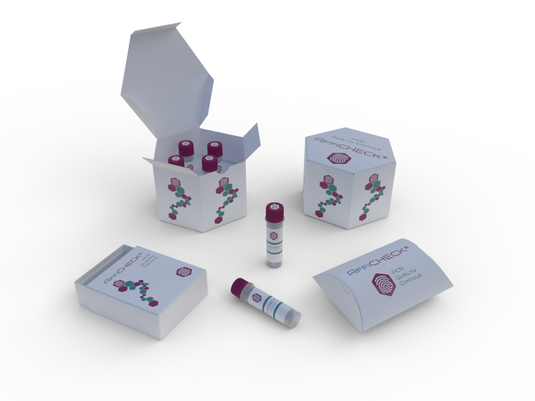
The Adenovirus 40 PCR Qualitative Quality Control is a standardized reference material designed to verify that PCR amplification systems are functioning correctly. It is commonly used in qualitative PCR assays to confirm the presence or absence of target amplification signals.
Core Characteristics:
-
Target-specific DNA sequences corresponding to Adenovirus 40
-
Non-infectious and safe for laboratory use
-
Compatible with conventional PCR and real-time PCR (qPCR)
-
High reproducibility across multiple assay runs
-
Suitable for validation, optimization, and routine QC
For additional insights into PCR assay validation principles, refer to:
-
https://www.ncbi.nlm.nih.gov/pmc/articles/PMC4846334/ (NCBI – PCR validation studies)
-
https://www.fda.gov/medical-devices/vitro-diagnostics/nucleic-acid-based-tests (U.S. FDA – nucleic acid testing overview)
Importance of PCR Quality Control in Molecular Workflows
PCR is highly sensitive to variations in reagents, thermal cycling conditions, and template quality. Without proper controls, it becomes difficult to distinguish between true amplification signals and experimental inconsistencies.
Why Quality Controls Matter:
-
Ensure assay specificity and amplification accuracy
-
Detect reagent degradation or system failure
-
Support consistent results across batches
-
Improve reproducibility between laboratories
Guidelines and best practices are well documented in:
-
https://www.cdc.gov/labquality/index.html (CDC Laboratory Quality Assurance)
-
https://www.niaid.nih.gov/research/quality-control (National Institute of Allergy and Infectious Diseases – QC practices)
-
https://www.who.int/publications/i/item/9789241549950 (World Health Organization – laboratory quality systems)
Applications of Adenovirus 40 PCR Qualitative Control
1. PCR Assay Development
During assay design, quality control materials help verify primer specificity and amplification efficiency.
Relevant educational resources:
-
https://bio.libretexts.org/Bookshelves/Microbiology (LibreTexts Biology – PCR principles)
-
https://www.umass.edu/microbio/chime/ (University of Massachusetts – molecular biology resources)
2. Routine Laboratory Quality Assurance
Daily PCR workflows benefit from consistent performance checks using qualitative controls.
Supporting references:
-
https://www.nist.gov/programs-projects/biomolecular-measurement (National Institute of Standards and Technology – biomolecular measurement)
-
https://www.cdc.gov/csels/dls/strengthening-laboratory-systems.html (CDC laboratory systems strengthening)
3. Environmental and Research Applications
Adenovirus detection is frequently used in environmental virology and molecular research.
Explore further:
-
https://www.epa.gov/water-research (U.S. Environmental Protection Agency – water research)
-
https://www.usgs.gov/mission-areas/water-resources (U.S. Geological Survey – environmental monitoring)
4. Training and Method Standardization
Quality controls are valuable tools for training laboratory personnel and ensuring protocol consistency.
Educational references:
-
https://www.training.nih.gov/programs/postbac_irta (NIH training programs)
-
https://online-learning.harvard.edu/subject/biology (Harvard University – biology courses)
Integration into PCR Workflow
The Adenovirus 40 PCR Qualitative Quality Control can be easily integrated into standard PCR workflows:
-
Prepare the control material according to protocol
-
Include it alongside test samples and negative controls
-
Perform amplification using standard PCR conditions
-
Confirm expected amplification signals
PCR workflow fundamentals are detailed in:
-
https://www.genome.gov/about-genomics/fact-sheets/Polymerase-Chain-Reaction-Fact-Sheet (Genome.gov PCR fact sheet)
-
https://www.ncbi.nlm.nih.gov/probe/docs/techpcr/ (NCBI PCR technical guide)

Scientific Reliability and Standardization
Reliable PCR performance depends on standardized validation methods and consistent quality control practices. Studies and guidelines emphasize the importance of using validated reference materials:
-
https://www.ncbi.nlm.nih.gov/pmc/articles/PMC7098033/ (NCBI – molecular assay reliability)
-
https://www.fda.gov/regulatory-information/search-fda-guidance-documents (FDA guidance documents)
-
https://www.who.int/health-topics/laboratory-quality-management (WHO laboratory quality management)
-
Adenovirus 40 PCR quality control
-
PCR qualitative control material
-
viral DNA PCR validation
-
molecular diagnostics workflow optimization
-
PCR assay quality assurance
-
nucleic acid amplification control standards
-
qPCR validation reference material
-
laboratory PCR performance verification
These keywords are naturally embedded throughout the text to improve discoverability while maintaining readability and scientific clarity.
Advantages of Using Adenovirus 40 PCR Qualitative Quality Control
-
Enhances assay reliability and reproducibility
-
Supports consistent amplification performance
-
Enables validation of PCR workflows
-
Reduces variability across experimental runs
-
Integrates seamlessly into existing laboratory protocols
Conclusion
The Adenovirus 40 PCR Qualitative Quality Control plays a crucial role in maintaining the integrity of PCR-based workflows. By providing a reliable reference standard, it ensures that amplification systems perform consistently and that results remain reproducible across experiments.
With increasing emphasis on standardized molecular techniques, incorporating validated PCR quality controls is essential for laboratories focused on precision, consistency, and scientific excellence.